Hotel guests today expect convenience, speed, and less waiting. This is one reason Contactless Hotel Check-In is becoming increasingly popular among modern hotels.
But is it really worth adopting? For many hotels, the answer is yes.
What Is Contactless Hotel Check-In?
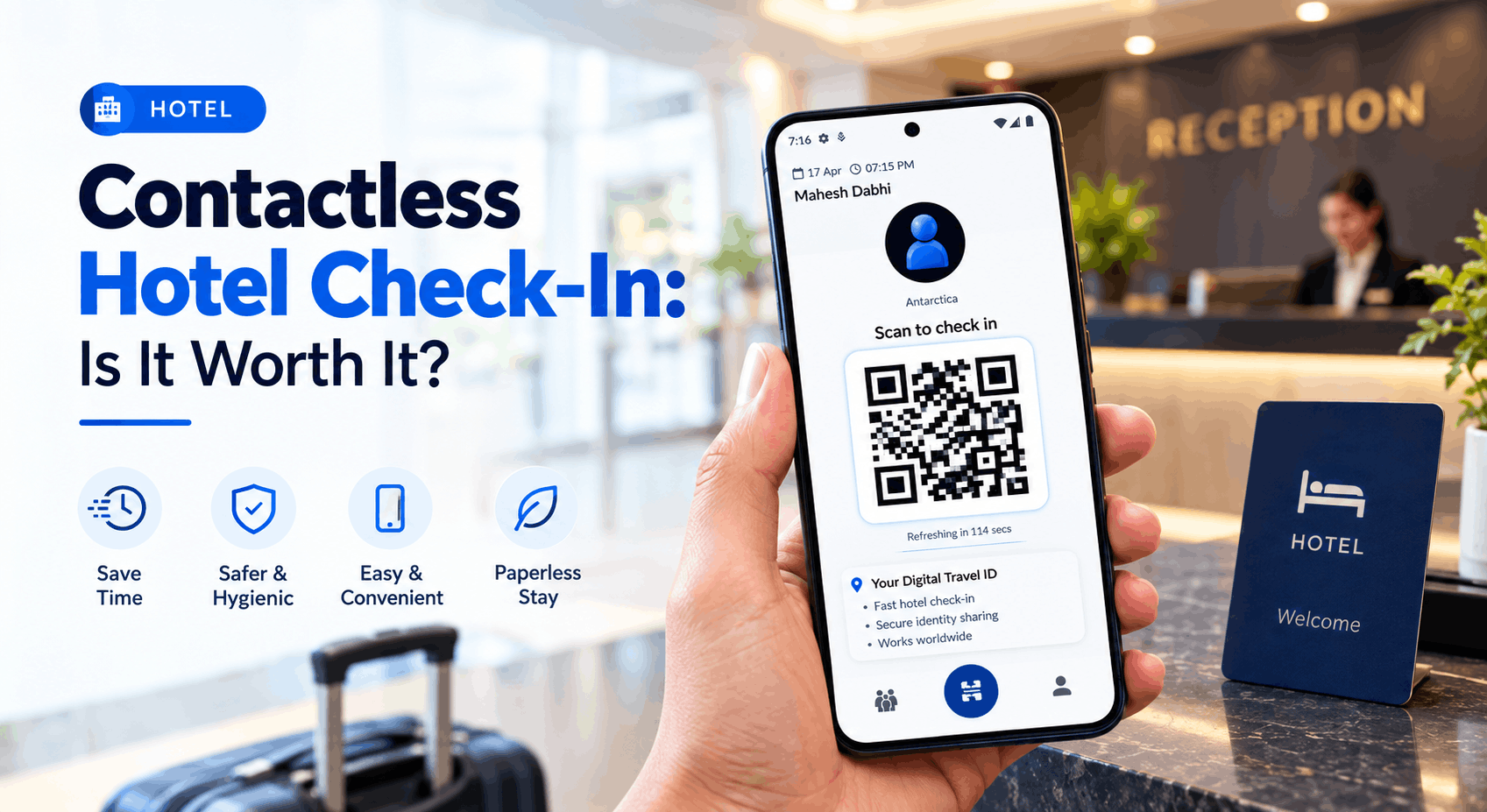
Contactless Hotel Check-In allows guests to complete registration and verification digitally, reducing the need for lengthy paperwork and unnecessary waiting at the front desk.
Using technologies such as QR codes and digital guest verification, hotels can make the arrival process faster and more convenient.
Why Hotels Are Adopting Contactless Check-In
Faster Guest Arrivals
After a long journey, guests want to reach their rooms quickly. Digital check-in can reduce paperwork and shorten waiting times at reception.
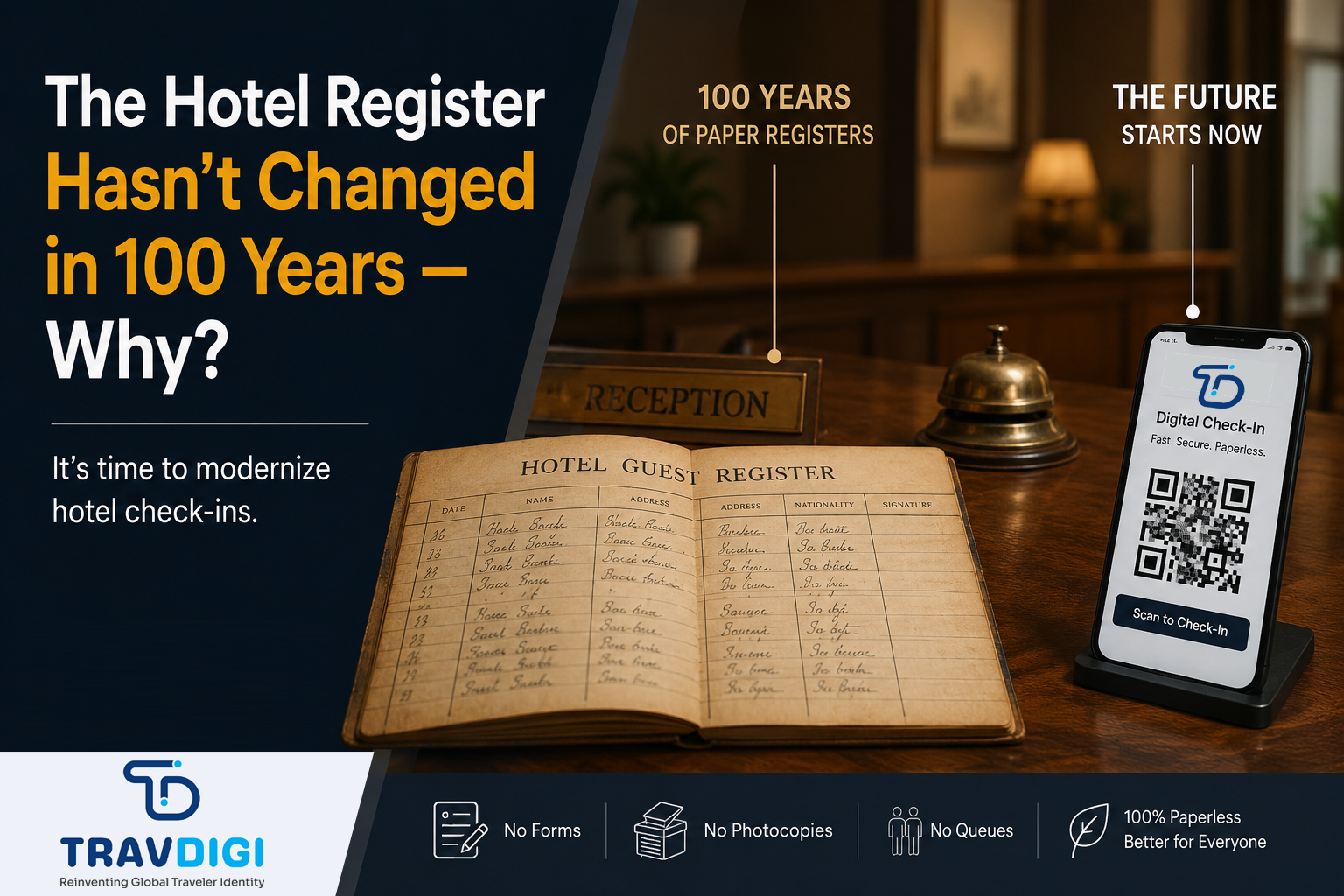
Less Paperwork
Traditional registration often involves forms, signatures, and manual data entry. Contactless check-in replaces much of this process with digital registration.
Better Guest Experience
A smooth arrival creates a positive first impression. Guests appreciate being able to complete check-in quickly without standing in a long queue.
Secure Guest Verification
Digital verification can help hotels collect and manage guest information more efficiently while reducing manual handling of identification documents.
Reduced Workload for Staff
Automating repetitive registration tasks allows front desk teams to spend more time helping guests and handling important hotel operations.
Is Contactless Hotel Check-In Worth It?
For hotels looking to improve efficiency and guest satisfaction, Contactless Hotel Check-In can be a valuable investment.
It can help reduce waiting times, minimize paperwork, simplify guest verification, and create a more modern arrival experience.
How TravDigi Helps
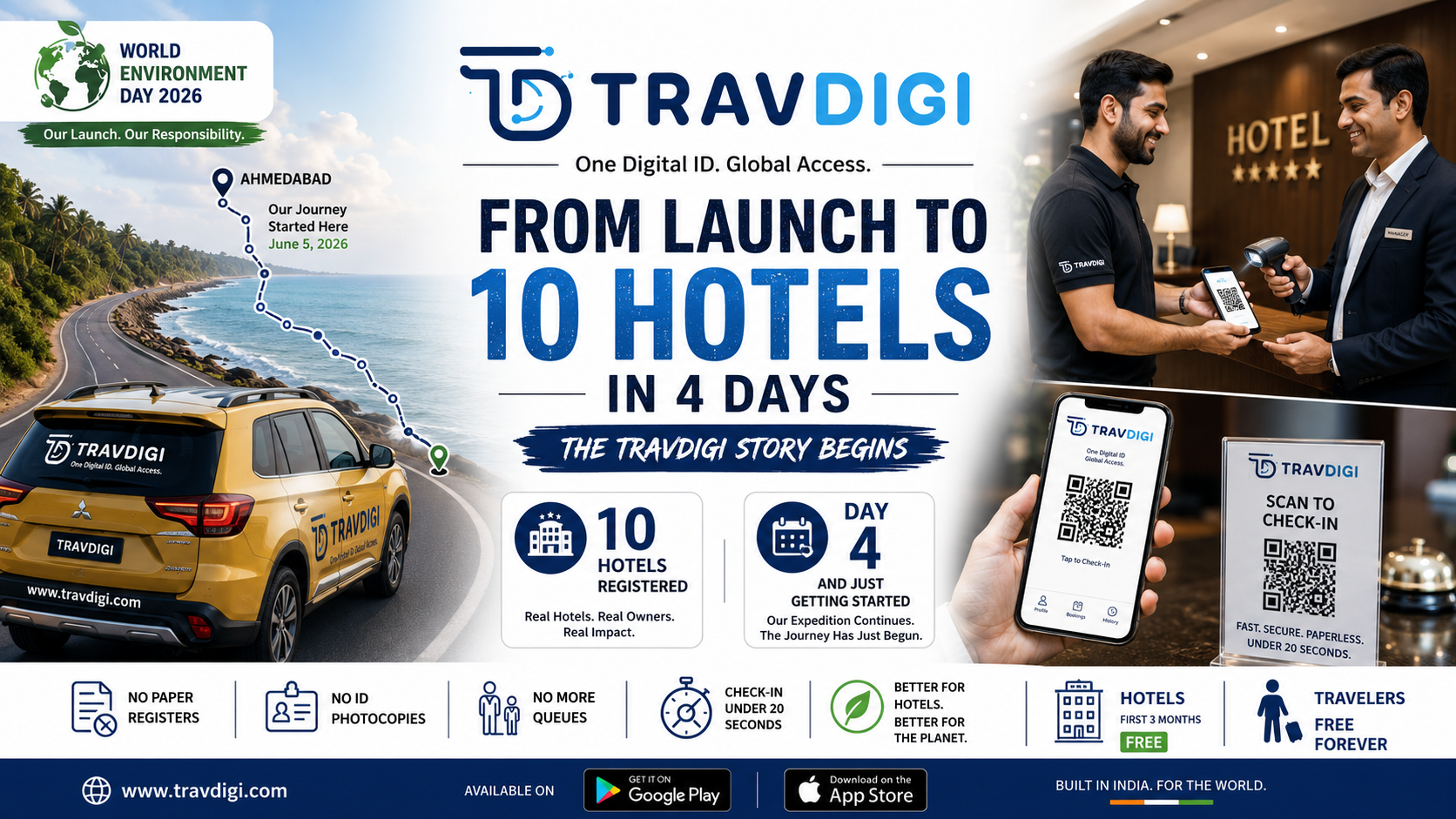
TravDigi enables hotels to provide QR-based, contactless hotel check-in with digital guest verification and paperless registration.
Guests can use their verified digital identity to simplify the check-in process, while hotels can reduce manual work and manage guest information more efficiently.